
Everything You Need to Know Before Choosing Soap Boxes
4 min read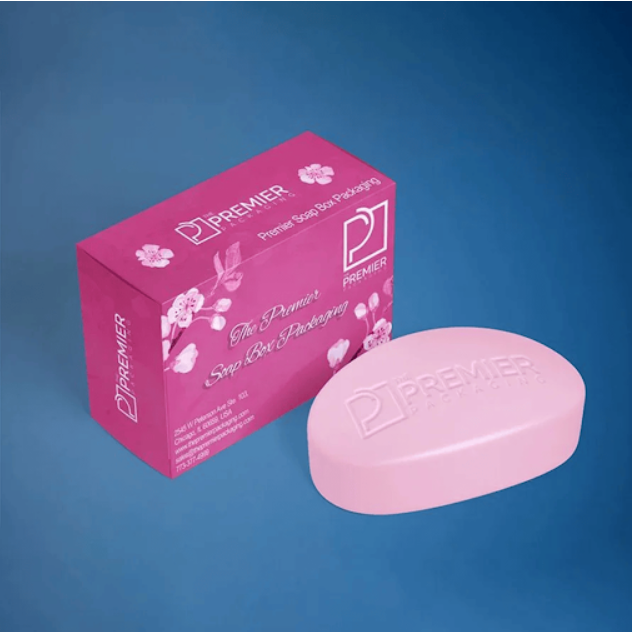
Everything You Need to Know Before Choosing Soap Boxes
I’ve spent enough time around small soap makers to notice a pattern. The ones who struggle to sell almost always blame the recipe first: maybe the scent’s off, maybe the price is wrong. Nine times out of ten, though, the real problem is sitting in a plain brown box on a shelf next to five competitors who bothered to design something people wanted to pick up.
Soap is weirdly tactile as a product. You can’t smell it through a screen or feel the lather before buying, so the box ends up doing a job the product itself can’t do yet, convincing someone, in about two seconds, that this is worth trying. A logo stamped on cheap stock doesn’t do that. A box that actually looks considered does.
Here’s what tends to matter in practice, based on what’s worked (and flopped) for people actually shipping and selling soap.
The Box Sells Before the Soap Does
Customers judge quality from packaging whether they mean to or not. It’s not fair, exactly, but it’s how buying works. Handmade soap sellers in particular run into this the soap itself might be genuinely better than a mass-market bar, but if the box looks like an afterthought, shoppers assume the product is too.
This matters even more online, where a photo of the packaging is often the only thing standing between a scroll-past and an add-to-cart click.
Picking a Material That Actually Fits Your Soap
Not every soap needs the same box, and this is where a lot of first-time sellers overspend or underspend.
- Kraft paperboard works well for natural or organic lines. It’s inexpensive, recyclable, and honestly just looks the part customers see kraft and think “natural” before reading a single ingredient.
- SBS board (solid bleached sulfate) gives a cleaner, whiter surface, which suits brands that want bold color printing or photo-quality graphics rather than an earthy look.
- Corrugated inserts are worth the extra cost if soap is shipped directly to customers. A bar that arrives cracked because the box had no cushioning is a bad first impression, and returns cost more than the packaging would have.
If you’re selling in person farmers markets, boutiques, spas shelf appeal matters most. If you’re shipping to doorsteps, durability wins over decoration every time.
Where the Logo Goes (and Where It Shouldn’t)
A logo isn’t decoration. It’s a shorthand for “this is a real business, not someone’s kitchen experiment” even when it is someone’s kitchen experiment, which, to be fair, plenty of great soap boxes with logo start as.
A few things worth getting right:
- Put the logo on the front panel. Sounds obvious, but I’ve seen boxes where it’s tucked on a side edge, invisible on a shelf.
- Use contrast. A logo that matches the background color too closely just disappears.
- Don’t crowd the box. Batch numbers, ingredient lists, and taglines belong on the back or bottom, not competing with the logo up front.
- If budget allows, embossing or foil stamping on the logo adds a tactile detail that makes a box feel premium without changing much else about production.
Box Styles, and What Each One Actually Buys You
- Tuck-end boxes are cheap and fast to assemble the workhorse choice for anyone producing in volume.
- Sleeve-style boxes slide over the soap for a cleaner, more minimalist look, often chosen for gift sets.
- Die-cut window boxes show the soap’s color and texture directly, which builds a bit of trust before purchase since the customer isn’t buying blind.
- Two-piece rigid boxes cost more but suit luxury lines where the unboxing itself is part of the product experience.
There’s no universally “best” style here. It’s a trade-off between per-unit cost and how much of an impression you want the box to leave.
Sustainability Isn’t Just a Trend Anymore
More buyers now check whether packaging is recyclable before adding to cart, particularly for natural soap and skincare. Brands that skip plastic windows, use soy-based inks, and stick to uncoated cardboard tend to earn repeat customers among this group. For soap brands whose whole pitch rests on being natural, packaging that contradicts that message plastic windows on an “eco-friendly” bar, for instance undercuts the sale before it happens.
A Word on Suppliers
Get a physical sample before committing to a full print run. Screens lie about color more often than people expect, and a sample catches problems with wrong shade, flimsy stock, misaligned die cuts before you’ve printed five hundred boxes with the mistake baked in.
Ask suppliers directly about minimum order quantities, turnaround times, and whether eco-friendly stock is available. How clearly they answer those questions is usually a decent preview of how the rest of the relationship will go.
Final Thoughts
A custom soap box with your logo on it isn’t just packaging, it’s doing quiet, constant advertising every time someone picks it up, gifts it, or leaves it sitting on a bathroom counter. Getting the material, structure, and logo placement right takes some trial and error. Start small, get feedback on an actual test run, and adjust from there instead of betting everything on one big order before you know what works.
About The Author