
What Makes Everest Base Camp Trek Guides Highly Professional And Safe
7 min read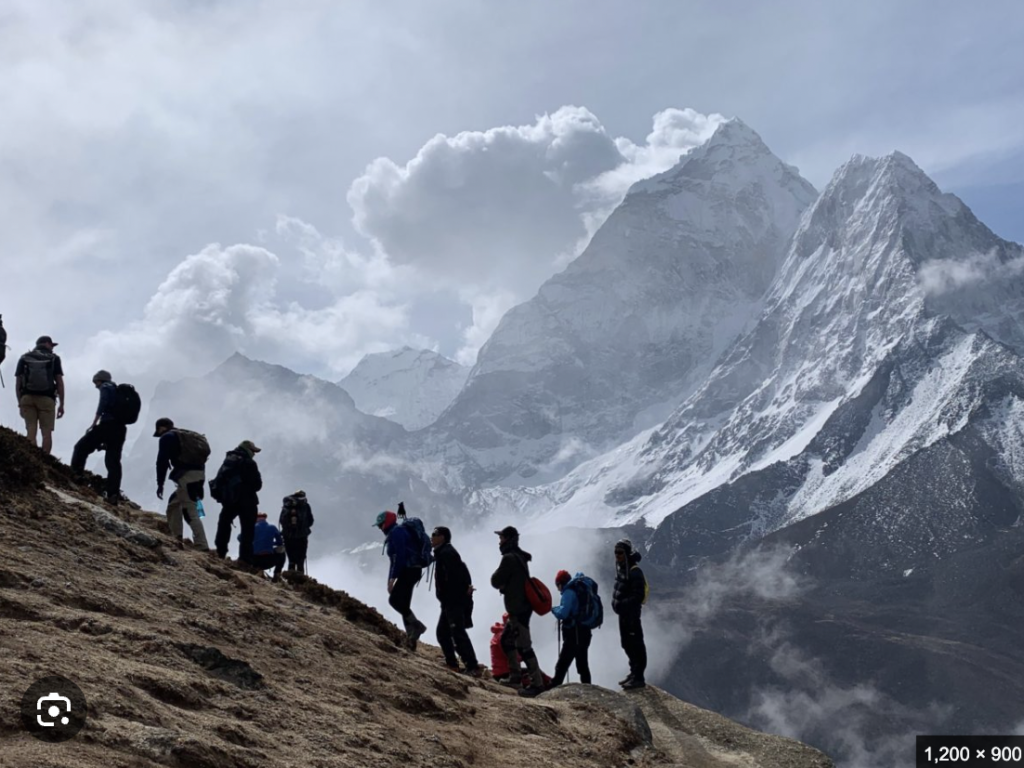
The Everest Base Camp Trek is arguably one of the greatest treks in the world, and each year trekkers who have everything come from all corners of the globe to this part of some of the grandest mountains on earth. While the hike provides some breathtaking mountain views and fascinating cultural immersion en route, be prepared as well for high-altitude sickness issues, changing climatic conditions, and rough routes. Professional Everest Trek guides are for this reason; it makes your success a journey! Their expertise, knowledge of the area, and commitment to safety allow hikers to enjoy the trek with assurance while minimizing unnecessary risks along the way.
The Himalaya trekking expert
Your Everest Base Camp Trek guides are experts, with hundreds of days of practical experience leading through this iconic region of the world. Given their knowledge of mountain trails, seasonal climate trends, and regional demographics, they are able to improve the decision-making process at each step along the trail. A seasoned guide understands how to lead a group’s pace, allowing time for breaks but catching issues before they even have a chance to emerge in earnest. Scary for first-timers heading into the Himalayas—their unrivaled expertise in trekking in Nepal is super reassuring.
Strong Knowledge of Altitude Safety
Responsible high-altitude management is one of the main hallmarks of a skilled Everest Base Camp Trek guide. As trekkers ascend to Everest Base Camp, oxygen levels plummet and the risk of altitude-related illnesses soars. Professional guides monitor the health of every traveler, encouraging a gradual acclimatization to the altitude, taking care to remain hydrated along the path. Trained and educated in altitude safety, they are now able to recognize the early warning signs of hypoxia for both themselves and their team members and respond appropriately—leading to safer trekking in the Himalayas.
Professional Training and Certifications
Well established trekking companies in Nepal will also be spending time on training programs and certified guides. The guides of Everest Base Camp Trek are trained on first aid, emergency response, and wilderness rescue skills. These certifications arm them with the skills to keep their calm and shine through in surprise moments. The guides for the trekkers those who book Everest Base Camp Trek packages with able companies are experienced and trained following recognized standards, and they do take on responsibility for the welfare of every member in their trekking team.
Deep Understanding of Local Culture
Besides wayfinding, a professional Sherpa guide offers so much more value on the Everest Base Camp Trek. They give a glimpse of the culture, heritage, and history of the aboriginals who have occupied and still occupy distinctive Himalayan tribes. Those insights into local monasteries, festivals, and village life that you are going to—and what is more effective at gently steering the visitor towards a polite interaction with the exoticism of local culture? Expert guides draw on pathways and stories of hundreds of years, allowing visitors to better embrace the traditions that have helped shape Everest for ages.
Effective Communication Throughout the Journey
Clear communications also distinguishes high-class Everest Base Camp Trek guides. They state intentions each day (where they will go), the weather, and how the trail may be that day while ensuring everyone knows what to do and what safety practices they would like followed. Improved communication also prompts trekkers to speak up about any pain or problems before they escalate into a full-fledged issue. Great guides know that they’re going to need to be regularly speaking with trekkers as they work through the Everest Base Camp itinerary so as to build up trust (and therefore safety and fun) on a trek.
Excellent Decision-Making in Mountain Conditions
The weather in the Himalayas can change quickly, and guides have to make decisions based on what is happening afresh. Indicators for what route may need to change: Veteran Everest Base Camp Trek guides routinely evaluate trail conditions, the weather forecast, and each group member’s fitness level before determining if it is necessary to adjust an itinerary.
This level of professionalism and responsibility might even lead them to abandon all these rubrics in the name of safety, unlike a fixed-in-stone schedule. Travelers need guides to metamorphose but must do so to preserve the Himalayan grandness intact and as near to hazard-free as possible.
Strong Leadership & Team Management Skills
Leading an Everest Base Camp Trek Is Definitely Not About Walking at the Front Then… They plan the daily itinerary, control the porters, and coordinate group dynamics to determine a pace that fits best for most of its participants. They make sure that there isn’t a person left to fend for themselves or trying to do it all on their own. Awarded and trained guides will have the ability to do so, putting no pressure on the traveler at all such that in spite of travelling on a trek as extreme as this one, we find them help furnish it into a wonderful accomplishment.
Careful Planning and Organization
Professional Everest Base Camp Trek assistants communicate on behalf of you with experienced trekking organizations to make certain that every component of your tour is well-organized. By having accommodation, Lukla flight schedules, permits organized, and transport in place, it makes the trip during the trek neater. Thanks to impeccable planning by logistics, trekkers will not have to think about transport and can be free to enjoy the gorgeous Himalayan landscape. A well-planned itinerary is a sign of professionalism, and this is what you expect from a trusted guide during your trek in Nepal.
Commitment to Responsible Tourism
Lesser standard of living for local communities and protection of the environment: Responsible tourism practices as practiced by professional Everest Base Camp trek guides help protect both local communities and the environment. They further encourage cultural customs, reduction of waste, and the basic rules to follow using a sustainable way with activities working on the whole trail.
However, there is always a caveat when it comes to trekking in the Himalayas: To add sustainability into the mix, seasoned Sherpa guides will ensure that whenever possible local businesses are employed and community-owned lodges as well as service providers are used. Thorough emergency preparation is an essential characteristic of any professional Everest Base Camp Trek guide, as no mountain expedition is without the unexpected.
To be able to respond well in situations like freak climatic conditions, some human health issue, or a hitch in logistics, veterans never lose their cool; they set safety protocols into motion. They have a deep understanding of evacuation procedures, medical facilities, and communication mechanisms in place to get assistance to the traveler at the right time. This sustainable tourism is a means of preserving the natural beauty and culture that Everest has to offer so generations in the future can experience it.
Reliable Support During Emergencies
The concept of anything can occur (e.g., the Everest Base Camp trek in Nepal), and this leads to being suited up to present first inspirations if that situation arises to permit stormy circumstances on the away opportunity where you are under stress on a mountainside or are giving educated business opinions. Whether they’re dealing with unexpected changes in weather, health-related questions, or availability of transportation, a seasoned guide keeps their cool and applies the relevant safety protocols.
They know how remote the medical emergency systems and communication channels are; they can evacuate groups when needed with precision. This kind of dependable support, like this fellow has provided rides for during his travels across the Himalayas, is not only essential but invaluable to ensure peace of mind in a challenging yet rewarding scenario.
Building Confidence for Every Trekker
Many travelers have fitness fears, or altitude, or even unfamiliarity with mountains when they set off for base camp on the Everest Base Camp trek. All of these uncertainties are taken away by experts offering encouragement, practical advice, and continuous support from the very beginning to the end of their journey. They also build confidence in the trekkers and instill confidence by being patient and positive to help people overcome physical as well as mental challenges. Here are some tips to help you be confident to take on all aspects of the Everest Base Camp itinerary physically and mentally.
Guided Adventures in Himalayas
About the author: Most of the sun as a guide on the trek to base camp Everest is at an advanced degree with far-reaching experience and skill for mountain heights. Their range and adaptability across the now economically topped and proportional—once in a rare while a hike pushes floated by ruffling expanded visions, revitalizing arranged memories.
Choosing Everest Base Camp Trek packages offered by a reliable trekking company in Nepal, you can be guaranteed that you will be guided by nature lovers and experienced professionals who are dedicated to providing travelers with a safe, satisfying, and pleasurable Himalayan journey. With the help of experienced Sherpa guides, trekkers can take in the sights and awe that accompany one of the most famous treks on the planet, endlessly ensuring that with every foot forward to Everest Base Camp, you travel safely.
About The Author