
Sustainable Tech: Innovations in Green Computing and Energy Efficiency
8 min read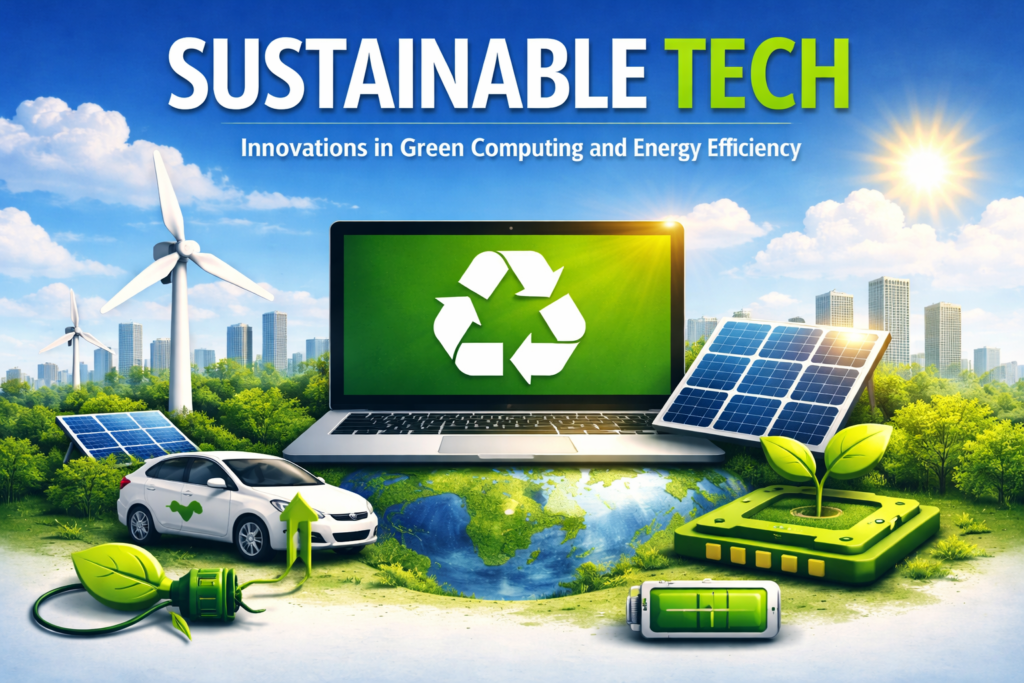
Introduction to Sustainable Technology
What is Sustainable Tech?
Sustainable technology refers to innovations designed to minimize environmental impact while maintaining efficiency and performance. It focuses on reducing energy consumption, lowering carbon emissions, and promoting eco-friendly practices across industries. From energy-efficient devices to renewable-powered data centers, sustainable tech is reshaping how we interact with digital systems.
Why Green Computing Matters Today
As global digital usage increases, so does the environmental footprint of technology. Green computing has become essential because traditional IT systems consume vast amounts of electricity and generate significant electronic waste. By adopting sustainable practices, businesses and individuals can reduce their ecological impact while also cutting operational costs.
The Environmental Impact of Traditional IT
Conventional computing systems rely heavily on fossil fuels, contributing to greenhouse gas emissions. Data centers alone account for a large share of global electricity usage. Additionally, short hardware lifecycles lead to growing e-waste problems, which harm ecosystems and human health.
Understanding Green Computing
Definition and Core Principles
Green computing, also known as sustainable computing, involves designing, using, and disposing of technology in an environmentally responsible way. Its core principles include energy efficiency, waste reduction, and the use of renewable resources.
Key Goals of Green IT
The main objectives of green IT include:
- Reducing energy consumption
- Minimizing carbon footprint
- Promoting recycling and reuse
- Encouraging sustainable product design
These goals help organizations align with global sustainability standards.
Lifecycle Approach in Computing
A lifecycle approach considers the environmental impact of a product from production to disposal. This includes manufacturing, transportation, usage, and recycling. By optimizing each stage, companies can significantly reduce their environmental footprint.
Energy Efficiency in Modern Technology
How Energy Consumption is Measured
Energy usage in computing is typically measured in watts or kilowatt-hours (kWh). Metrics like Power Usage Effectiveness (PUE) are used to evaluate data center efficiency. Lower PUE values indicate better energy performance.
Energy-Efficient Hardware Innovations
Modern hardware is designed to consume less power without compromising performance. Examples include:
- Low-power CPUs and GPUs
- Solid-state drives (SSDs)
- Energy-efficient displays
These innovations reduce electricity usage while improving system performance.
Role of Software Optimization
Efficient software plays a crucial role in reducing energy consumption. Optimized code requires fewer computational resources, which leads to lower power usage. Techniques such as load balancing and efficient algorithms help achieve this goal.
Eco-Friendly Data Centers
What Makes a Data Center Sustainable?
A sustainable data center is designed to minimize energy consumption and environmental impact. It uses efficient hardware, advanced cooling systems, and renewable energy sources to operate sustainably.
Use of Renewable Energy Sources
Many data centers are now powered by renewable energy, such as solar and wind. This shift significantly reduces reliance on fossil fuels and lowers carbon emissions.
Cooling Technologies and Efficiency
Cooling is one of the largest energy consumers in data centers. Innovative solutions like liquid cooling, free-air cooling, and AI-driven temperature control systems help improve efficiency and reduce energy waste.
Emerging Innovations in Green Computing
AI for Energy Optimization
Artificial Intelligence is playing a transformative role in making computing more sustainable. AI systems can analyze massive datasets to identify energy inefficiencies and optimize performance in real time. For example, AI is used in data centers to predict workload demands and automatically adjust power usage, reducing unnecessary energy consumption.
Machine learning algorithms also help in smart grid management, ensuring efficient energy distribution. By continuously learning from usage patterns, AI systems can significantly cut down energy waste while maintaining high performance.
Edge Computing and Reduced Energy Use
Edge computing is another breakthrough innovation that enhances energy efficiency. This reduces the need for long-distance data transmission, which consumes considerable energy.
By minimizing latency and bandwidth usage, edge computing not only improves performance but also lowers overall energy consumption. It is particularly useful in applications like IoT devices, smart cities, and autonomous systems.
Green Cloud Computing Solutions
Cloud computing providers are increasingly adopting sustainable practices to reduce their environmental footprint. Green cloud computing focuses on optimizing resource allocation, improving server utilization, and using renewable energy sources.
Tech giants are investing in carbon-neutral and even carbon-negative cloud infrastructures. These efforts include efficient virtualization, dynamic scaling, and energy-aware workload management, all of which contribute to reduced energy usage.
Role of Renewable Energy in IT Infrastructure
Solar and Wind Integration
Renewable energy sources like solar and wind are becoming integral to IT infrastructure. Many organizations are installing solar panels and partnering with wind farms to power their operations.
Solar-powered data centers and wind էնergy-backed cloud services are now becoming more common, marking a significant shift toward sustainability.
Energy Storage Solutions
Energy storage solutions, such as batteries, help store excess power generated during peak production times. This stored energy can then be used when production is low, ensuring a consistent power supply.
Advancements in battery technology, including lithium-ion and solid-state batteries, are making energy storage more efficient and reliable.
Challenges in Adoption
Despite its benefits, integrating renewable energy into IT infrastructure comes with challenges. High initial costs, limited availability in certain regions, and technical complexities can hinder adoption. However, ongoing innovations and government incentives are helping overcome these barriers.
Sustainable Hardware Design
Low-Power Processors
Hardware manufacturers are focusing on developing low-power processors that deliver high performance with minimal energy consumption. These processors are designed using advanced fabrication techniques that reduce power leakage and improve efficiency.
Energy-efficient chips are widely used in laptops, smartphones, and servers, contributing significantly to green computing efforts.
Recyclable and Biodegradable Materials
Another important aspect of sustainable hardware is the use of eco-friendly materials. Manufacturers are exploring recyclable metals, biodegradable plastics, and non-toxic components to reduce environmental impact.
This approach not only minimizes waste but also supports a circular economy where materials are reused instead of discarded.
Modular and Repairable Devices
Modular design allows users to replace or upgrade individual components instead of discarding entire devices. This extends the lifespan of hardware and reduces electronic waste.
Repairable devices also empower consumers to fix issues easily, promoting sustainability and reducing the need for new product manufacturing.
Software Strategies for Energy Efficiency
Efficient Coding Practices
Writing efficient code is one of the simplest ways to reduce energy consumption. Clean, optimized code requires fewer computational resources, leading to lower power usage.
Developers can adopt practices such as minimizing loops, reducing memory usage, and optimizing algorithms to create energy-efficient applications.
Virtualization and Resource Optimization
This reduces the need for additional hardware, thereby lowering energy consumption.
By consolidating workloads, organizations can achieve significant energy savings while maintaining performance and scalability.
Power Management Techniques
Modern operating systems and applications include power management features that help conserve energy. These techniques include:
- Sleep and hibernation modes
- Dynamic frequency scaling
- Automated shutdown of idle systems
Such features ensure that energy is not wasted when systems are not actively in use.
Benefits of Green Computing
Environmental Benefits
One of the most significant advantages of green computing is its positive impact on the environment. By reducing energy consumption and carbon emissions, sustainable technology helps combat climate change. It also minimizes electronic waste through recycling and efficient resource usage.
Lower energy demand means fewer fossil fuels are burned, resulting in cleaner air and a healthier ecosystem. These environmental benefits make green computing a crucial part of global sustainability efforts.
Cost Savings for Businesses
Green computing is not just environmentally friendly, it’s also economically beneficial. Energy-efficient systems consume less electricity, leading to lower utility bills. Additionally, virtualization and cloud optimization reduce the need for expensive hardware investments.
Over time, businesses can achieve substantial cost savings by adopting sustainable practices. Reduced maintenance and longer hardware lifespans further contribute to financial efficiency.
Regulatory Compliance and Brand Value
Governments worldwide are introducing stricter environmental regulations. By implementing green computing practices, organizations can stay compliant and avoid potential penalties.
Moreover, sustainability enhances brand reputation. Consumers increasingly prefer eco-conscious companies, giving businesses a competitive edge in the market.
Challenges in Implementing Sustainable Tech
High Initial Investment
One of the primary barriers to adopting sustainable technology is the upfront cost. Energy-efficient hardware, renewable energy systems, and advanced infrastructure require significant investment.
Although these costs are often offset by long-term savings, many organizations hesitate due to budget constraints.
Technological Limitations
Despite rapid advancements, some green technologies are still evolving. Limitations in battery storage, renewable energy efficiency, and hardware performance can pose challenges.
These technological gaps can slow down the widespread adoption of sustainable solutions.
Lack of Awareness and Expertise
Many businesses and individuals are unaware of the benefits of green computing or lack the expertise to implement it effectively. Without proper knowledge and training, organizations may struggle to transition to sustainable systems.
Education and awareness campaigns are essential to bridge this gap and promote adoption.
Future Trends in Sustainable Technology
Carbon-Neutral Computing
The future of technology is moving toward carbon neutrality, where organizations aim to balance their carbon emissions with equivalent offsets. Companies are investing in renewable energy and carbon offset programs to achieve this goal.
Carbon-neutral data centers and operations are expected to become the industry standard in the coming years.
Green AI and Machine Learning
While AI can improve efficiency, it also consumes significant energy. Green AI focuses on developing algorithms that require less computational power while maintaining accuracy.
This approach ensures that AI technologies contribute to sustainability rather than increasing environmental impact.
Circular Economy in Tech
The concept of a circular economy is gaining traction in the tech industry. Instead of the traditional “use and dispose” model, products are designed for reuse, repair, and recycling.
This shift reduces waste and maximizes resource efficiency, making technology more sustainable in the long run.
Conclusion and Final Thoughts
Key Takeaways
Sustainable technology is no longer optional; it is essential for the future of our planet. From energy-efficient hardware to renewable-powered data centers, green computing offers practical solutions to reduce environmental impact.
Organizations that adopt these practices not only contribute to sustainability but also benefit from cost savings and improved efficiency.
How Individuals and Businesses Can Contribute
Both individuals and businesses have a role to play in promoting green computing. Simple steps such as using energy-efficient devices, enabling power-saving modes, and recycling old electronics can make a difference.
Businesses can invest in sustainable infrastructure, adopt cloud solutions, and implement efficient software practices to reduce their carbon footprint.
The Road Ahead for Green Technology
The journey toward sustainable technology is ongoing. With continuous innovation and growing awareness, the future looks promising. Governments, organizations, and individuals must work together to create a greener, more efficient digital world.
As technology continues to evolve, sustainability will remain at the core of innovation—ensuring progress without compromising the health of our planet.
About The Author